Postpartum & siblings · 2027 edition
Christian Prayer for a Child Adjusting to a New Sibling: 6 Prayers for Real Jealousy

Published 2026-08-31 · Reading time: about 9 minutes
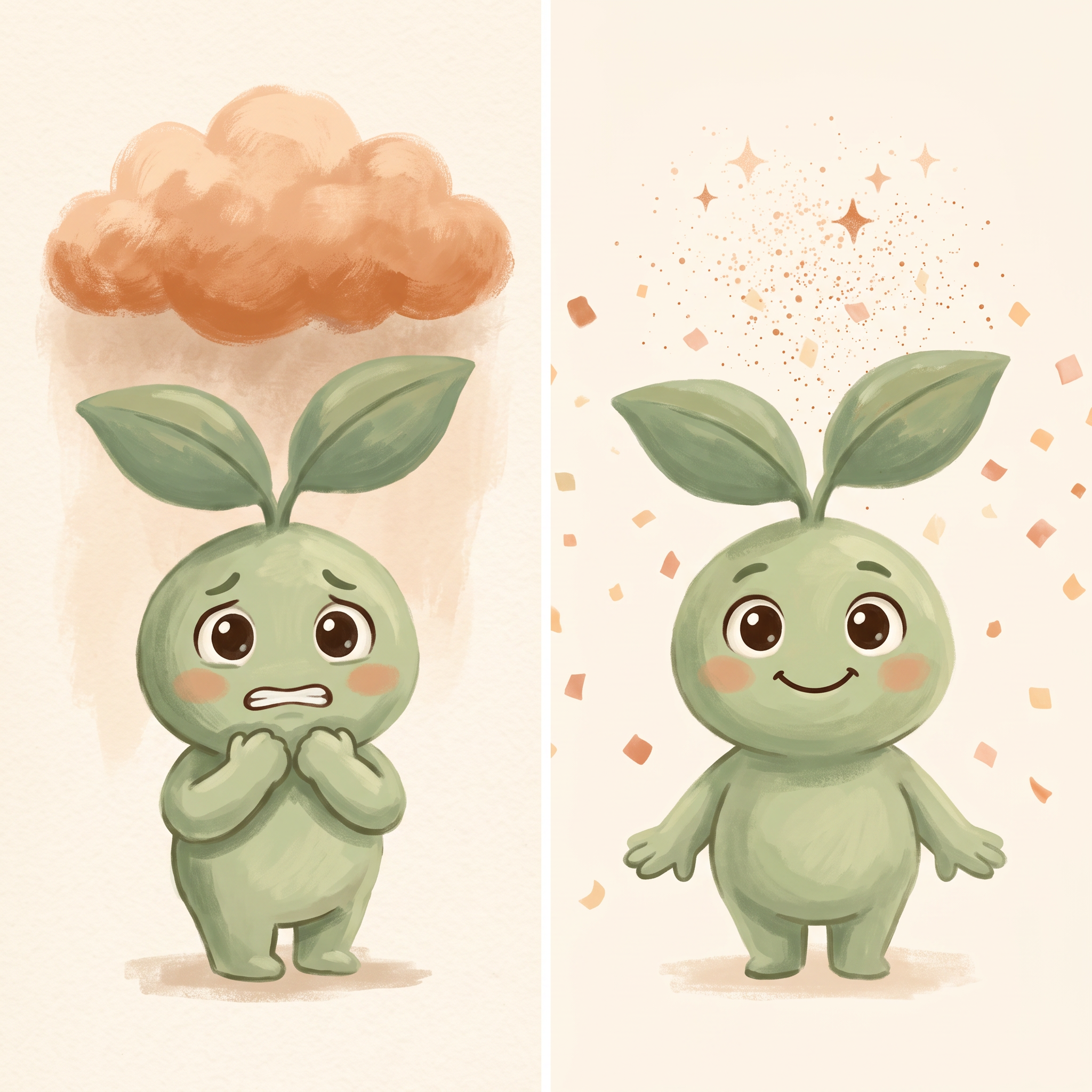
Postpartum & siblings · 2027 edition
Quick answer: If your older kid is regressing, whining, hitting the baby, or crying at every diaper change — the fix is not a stern talk about being a big brother. The fix is 10 minutes of one-on-one time before the baby wakes, physical touch during a short daily prayer, and the same six words for at least six weeks. Try: "God, you love [name] so much. A baby doesn't take any of that love away. Show him he is still your beloved. Amen." Do not require him to be happy about the baby yet. Jealousy is a signal — not a sin.
The most damaging thing a well-meaning Christian parent can say to a jealous older sibling is "you shouldn't feel that way." Feelings don't respond to should. And in Scripture, jealousy is named honestly and often — the Psalms are full of it, David complains about it, even the disciples argue about who Jesus loves best. The Bible does not treat the emotion as evil. It treats certain responses to it as evil.
Your 3-year-old hitting the baby is not committing a sin. Your 3-year-old is telling you, in the only language they have, that their world just got rearranged without their consent. The Christian response is to attend to the signal — not shame the feeling.
What jealousy in an older sibling is actually saying:
All three of these are addressed by consistent physical touch, protected one-on-one time, and a prayer that keeps naming God's love as unshareable — as something a new baby doesn't get by taking any away.
Very young older siblings can't process abstract theology. They need short prayers with physical anchors. The word "share" is not helpful — you're not sharing love, because love isn't a finite object. Frame love as bigger than the family.
"God, you love [name] so, so much. A new baby doesn't take any of your love away. Your love is enough for everyone. Amen."
Why this works: the word "enough" is theology in one syllable. Kids understand "enough." When they hear it consistently they start believing it. Repeat this prayer every night for at least 4 weeks.
"God, thank you that [name] is still my baby too. He didn't stop being little just because there's a smaller person. He is still my special big kid. Amen."
Why this works: validates the truth that a 2 or 3-year-old is still very small, no matter how "big" they look next to a newborn. Do not push a false maturity. Being called "big" too soon is part of what triggers regression.
Parent ritual for ages 2-4:
Older siblings in the 5-8 range can process more nuance but they're also more capable of masking their feelings. A kindergartner who says "I'm fine" about the new baby but has stopped sleeping through the night is telling you two different things. Trust the sleep, not the words.
"We love because he first loved us."
— 1 John 4:19 (NIrV)"God, thank you for loving [name] first. You loved him before the baby was even a thought. That love is still there, all of it, always. Please help him feel it, especially on the days when the baby cries the most. Amen."
Why this works: the phrase "loved you first" is a theological anchor. It gives the older sibling something the baby can never take — chronological priority in God's love. Not favoritism. Just first.
"God, some days having a baby around is really hard. Some days [name] misses how things used to be. That's OK. You know how she feels. Please sit with her in the hard days. Show her the new normal is going to be good too. Amen."
Why this works: names grief without pathologizing it. Older kids who are grieving the old family structure often can't articulate it. Naming it out loud gives them permission and vocabulary.
Do not force this. Forcing an older sibling to pray for the baby before they feel any love for the baby teaches them to fake spiritual feelings. That's worse than skipping the prayer.
When they're ready (usually week 4-8 for a 3-4 year old, week 2-4 for a 6-8 year old), invite them into praying for the baby. Model it yourself first, out loud, for weeks. They'll join when they're ready.
"God, thank you for [baby name]. Thank you for [older name] who is such a good big brother. Please help our whole family grow together. Bless both of my kids tonight. Amen."
Why this works: your kid hears "both of my kids" and "our whole family" every night. The theology of belonging gets built through repetition. Do not comment on whether they join in. Just keep saying it.
"God, thank you for baby [name]. Please help her sleep so my mom isn't so tired. Please help me be patient with her when she cries loud. Amen."
Why this works: when the older sibling offers their own prayer, it is often self-referential — they pray for the baby to sleep so they get their parent back. That's honest. Do not correct it toward more selfless framing. God can hear it.
The postpartum period is not a time for elaborate ritual. The bar is 3 things: (1) 10 protected minutes with the older sibling before the baby wakes, (2) the same short prayer daily, (3) physical touch during the prayer. That's it.
The 10-minute morning ritual:
The bedtime special-time ritual:
The public gratitude ritual:
Don't say: "You're a big brother now — big brothers don't act like that." Shames the age they are. Backfires. Increases regression.
Don't say: "The baby loves you so much." The baby is 4 weeks old and cannot love. Kids know this. Do not lie about the baby's inner life.
Don't say: "God gave us this baby to make you a big brother." Puts the older sibling's identity in service of the baby. Bad theology. The older sibling was already whole before the baby arrived.
Don't say: "If you would just be nice to the baby, you would feel better." This ties feelings to behavior. Feelings don't work that way. Being nice to the baby comes later, from a settled place — not by force.
Don't: pretend the baby didn't change everything. It did. Honesty about the change is more comforting than false continuity.
'God, you love [name] so much. You loved him first. A new baby doesn't take any of that love away. Please show him he is still your beloved and our beloved. Amen.' Names God's love as unshared and unshareable — the theology that undoes 'less than.'
No. Jealousy in a young child is a signal, not a sin. It's information that they don't yet feel secure in the new configuration. The Christian response is to attend to the signal, not shame the feeling. Even David's Psalms name jealousy without judgment — the Bible does not treat the emotion as evil, only certain responses to it.
1 John 4:19 — 'We love because he first loved us.' Or Psalm 127:3 — 'Children are a gift from the Lord.' Frame the baby as a gift to the family (which includes the older sibling), not a gift to the parents that the older sibling has to share.
Do not correct the word. Correct the theology quietly. 'You're allowed to feel hard things about the baby. God still loves both of you. Let's ask God to help this feel less hard.' Then pray with them. Do not require an apology to the baby. The feeling is real. The behavior can be shaped later.
Only when they want to — never as a required test of love. Forced prayer teaches performance, not faith. Model it yourself out loud ('God, thank you for this baby and for [older kid] who is such a wonderful big brother'), and let them join when they're ready.
Regression typically peaks in the first 6-10 weeks and softens by 3-4 months. With daily one-on-one time plus a consistent prayer that names God's love as abundant (not limited), most older siblings settle by month 4. Regressions during illness or moves are normal — reset the routine, don't panic.
God's Little Sprout: Little Sprouts has devotionals for ages 3-6 on big emotions — jealousy, sadness, and God's love that doesn't run out. NIrV translation.
See on AmazonGod's Little Sprout: Firm Roots continues the same devotional rhythm for ages 7-10 in NIrV — chapters on jealousy, patience, and family love.
See Firm Roots on AmazonFor big feelings generally, see Christian book about emotions for kids. For anxious kids, see Christian prayer for an anxious child.